2026
A Banquet In Parallel Time
In Collaboration with Louisa Mammeri Site-specific culinary lecture-performance, installation and booklet Chi Ma Wan Former Detention Centre, Lantau Island, Hong Kong Interisland Festival
Scroll to view →
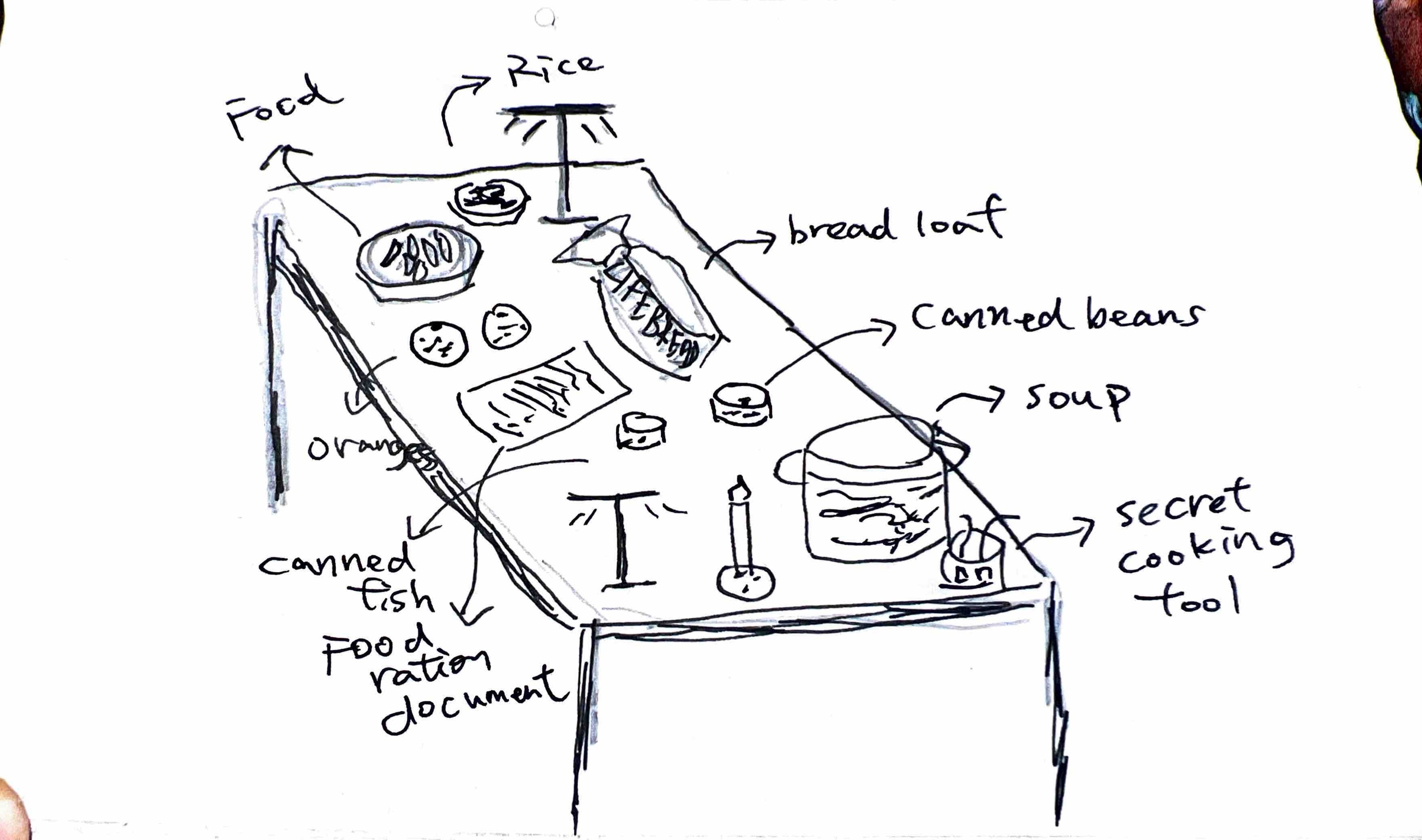
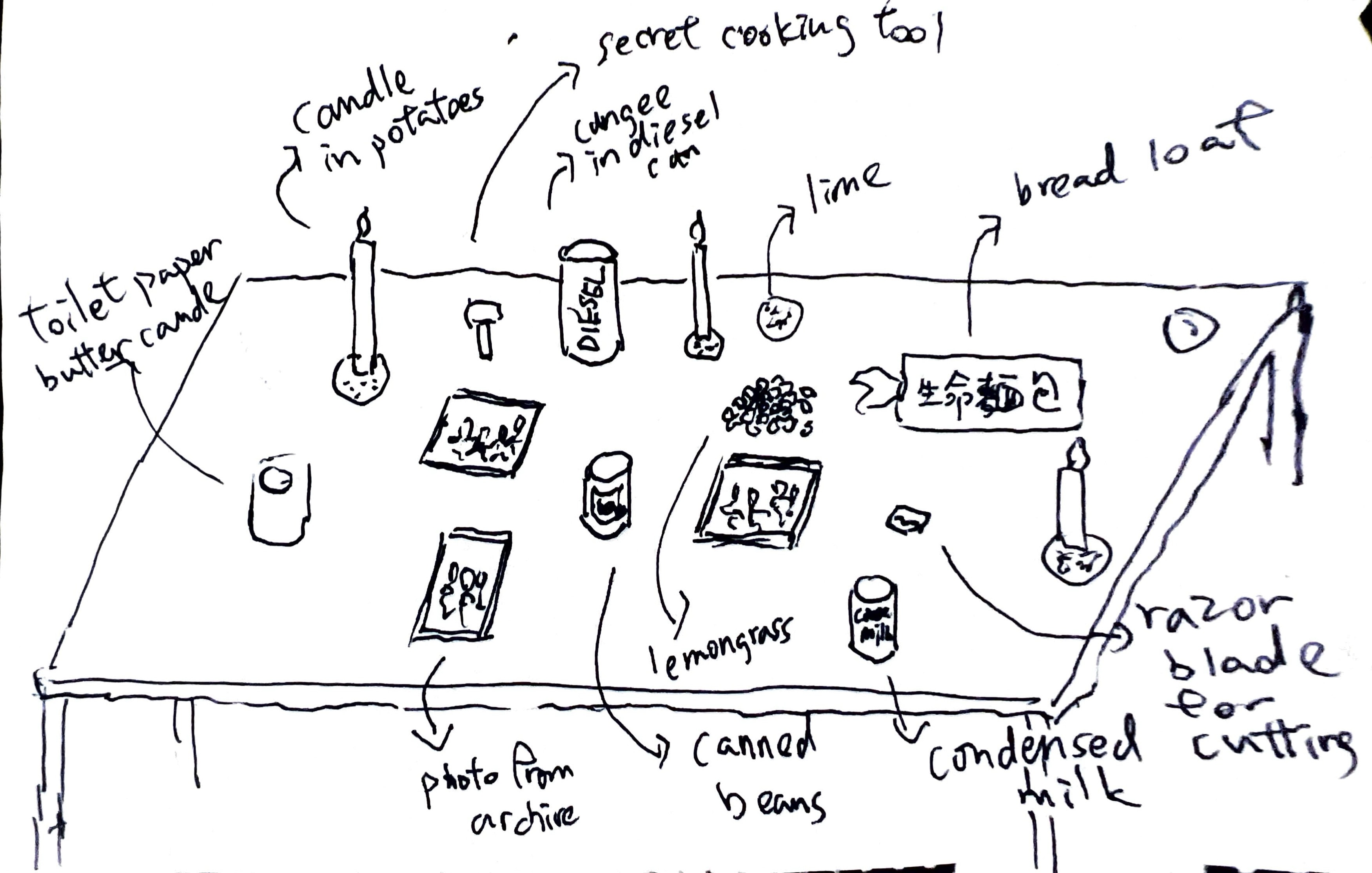
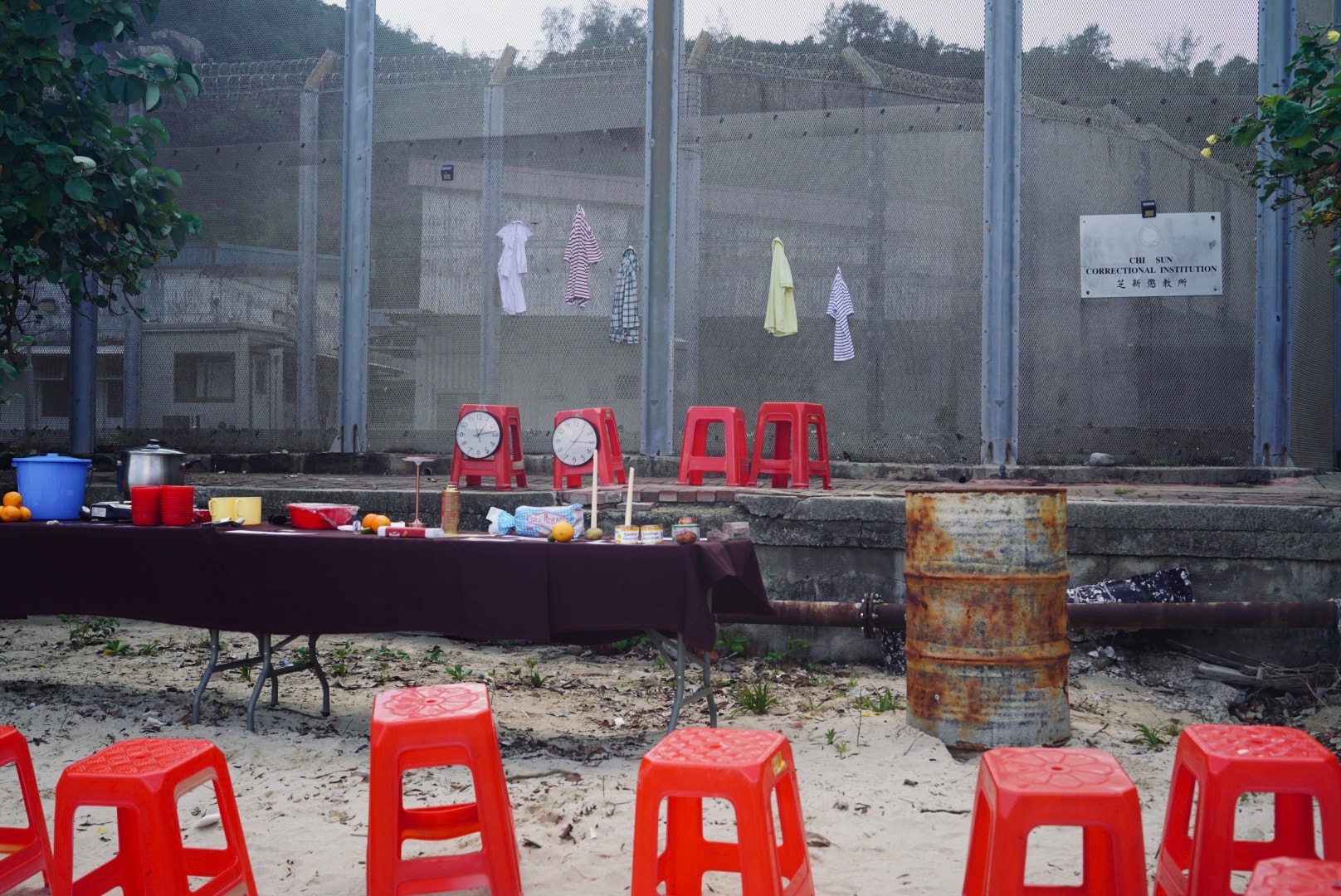
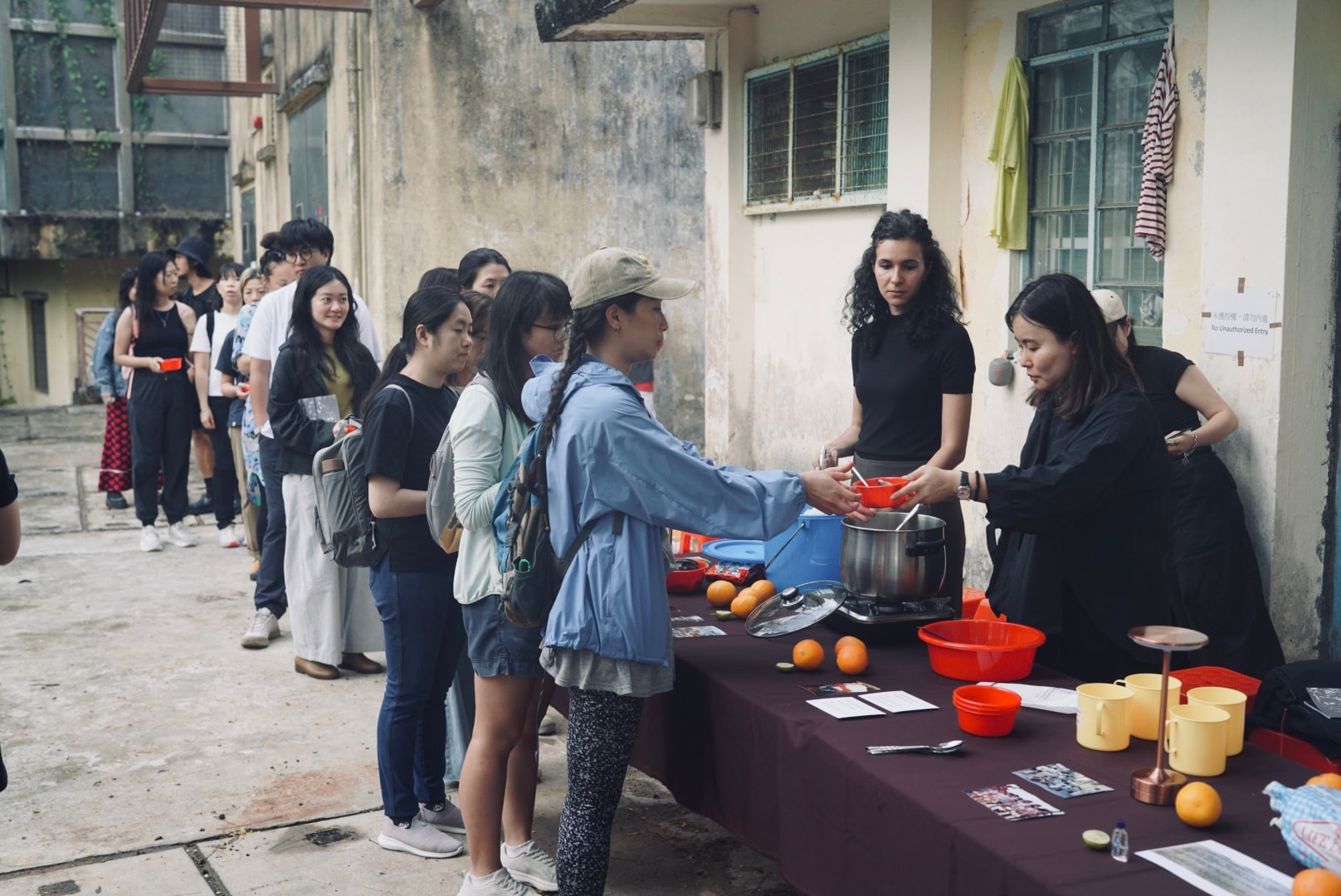
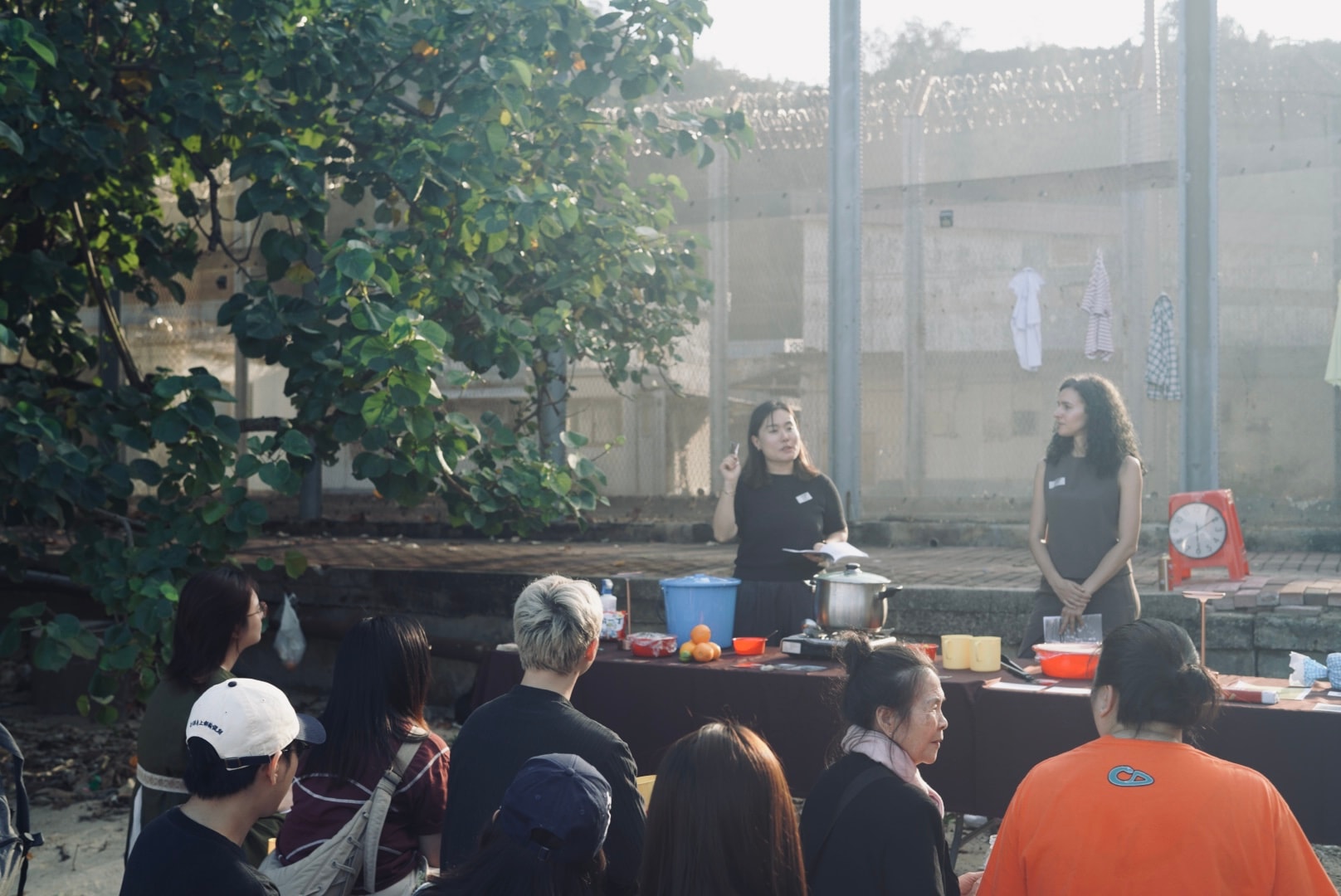
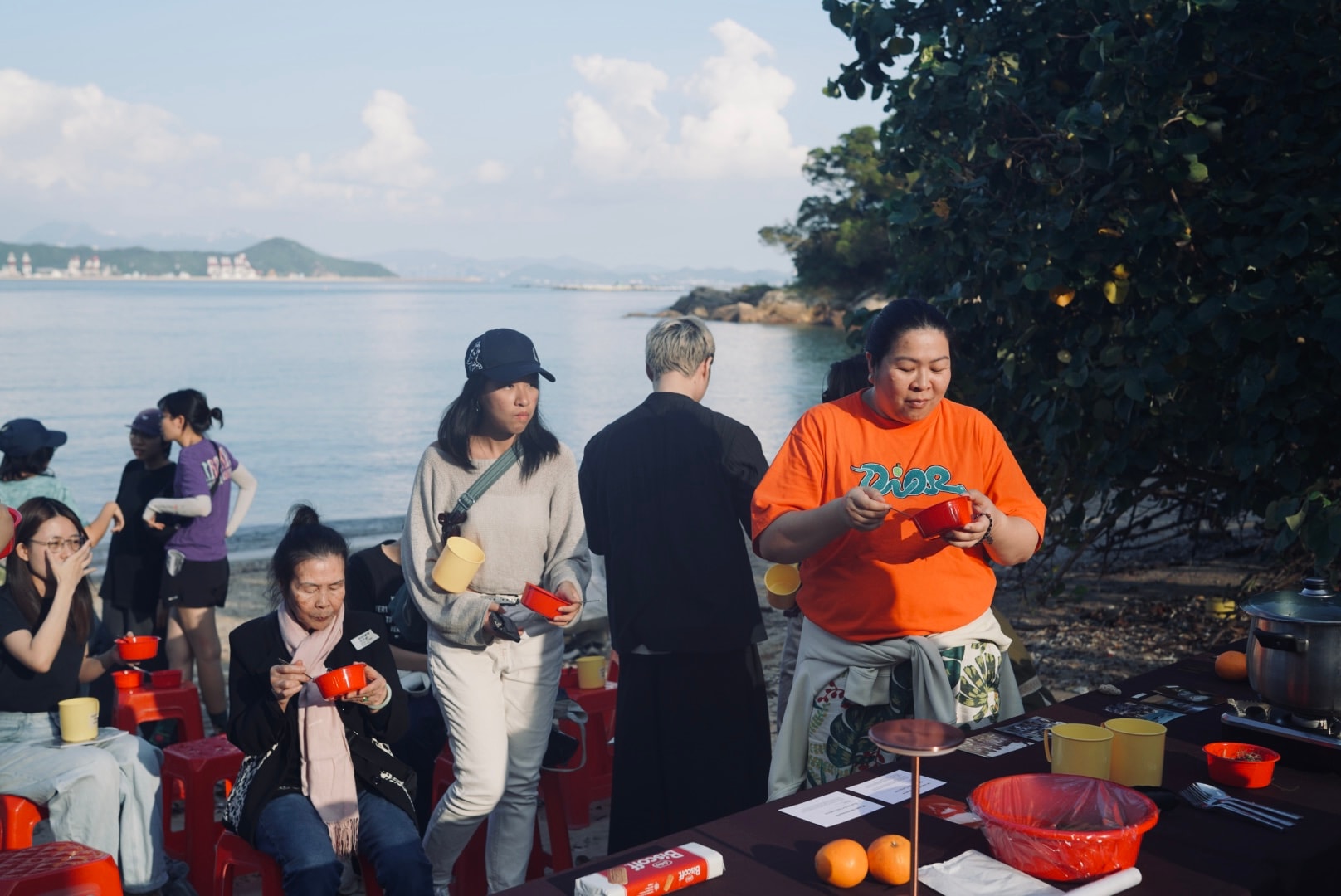
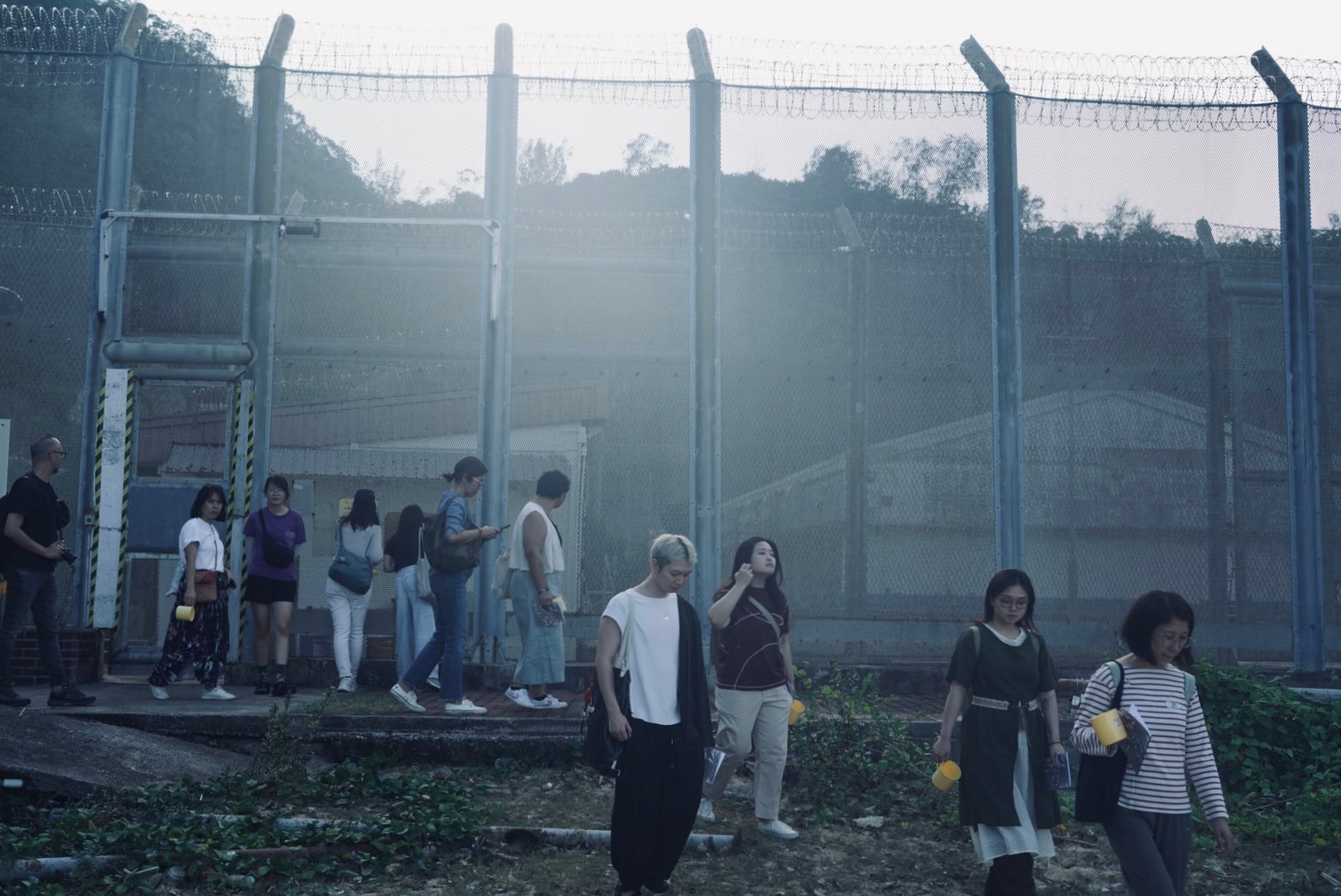
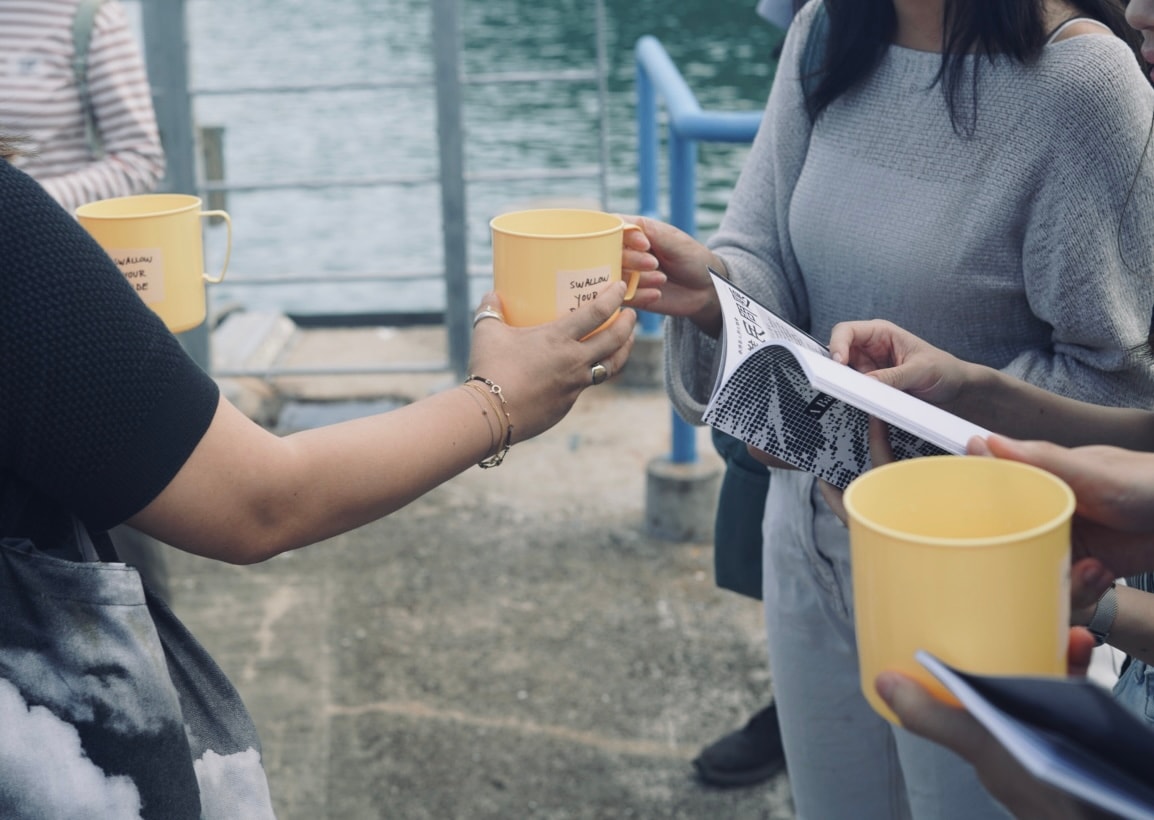
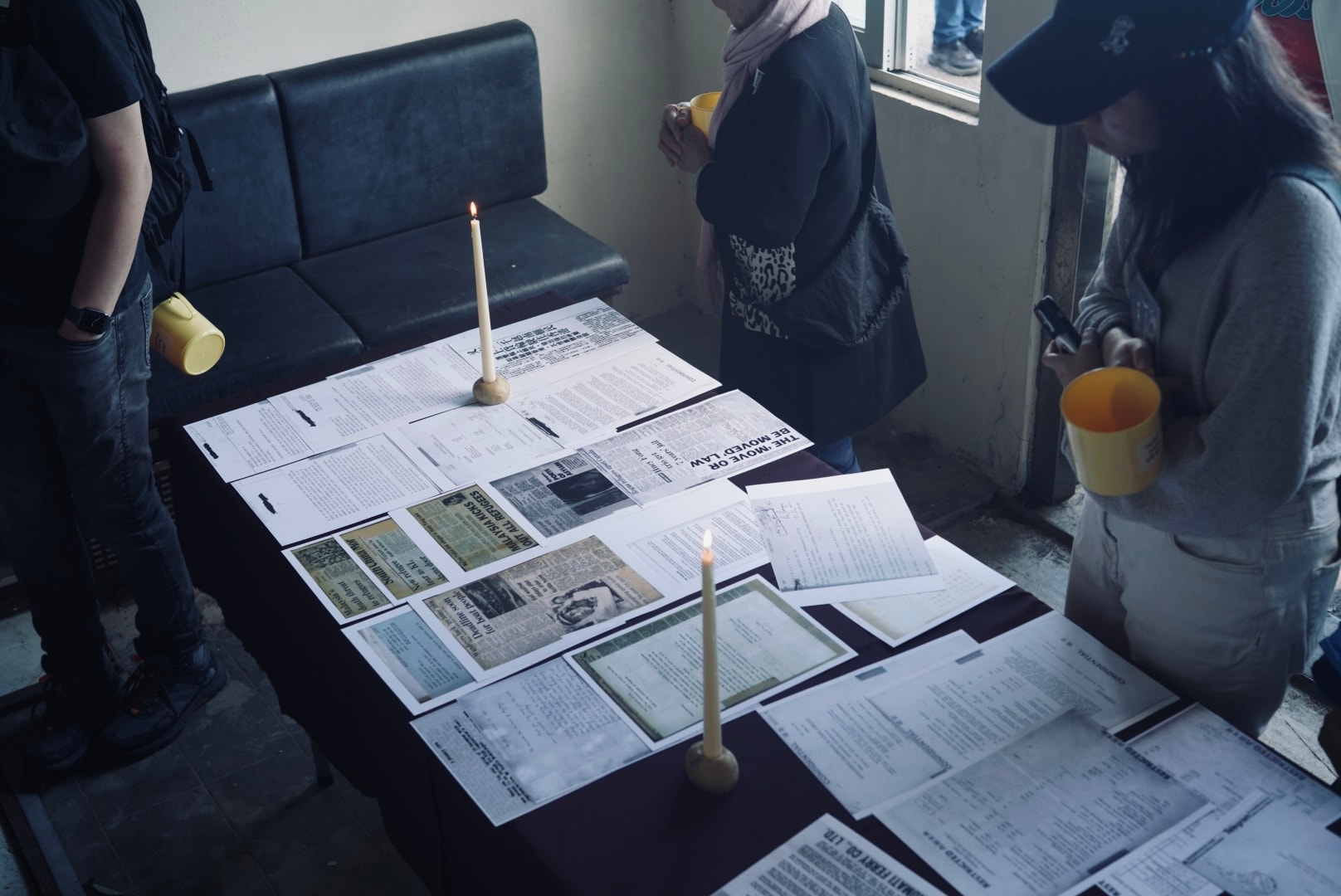
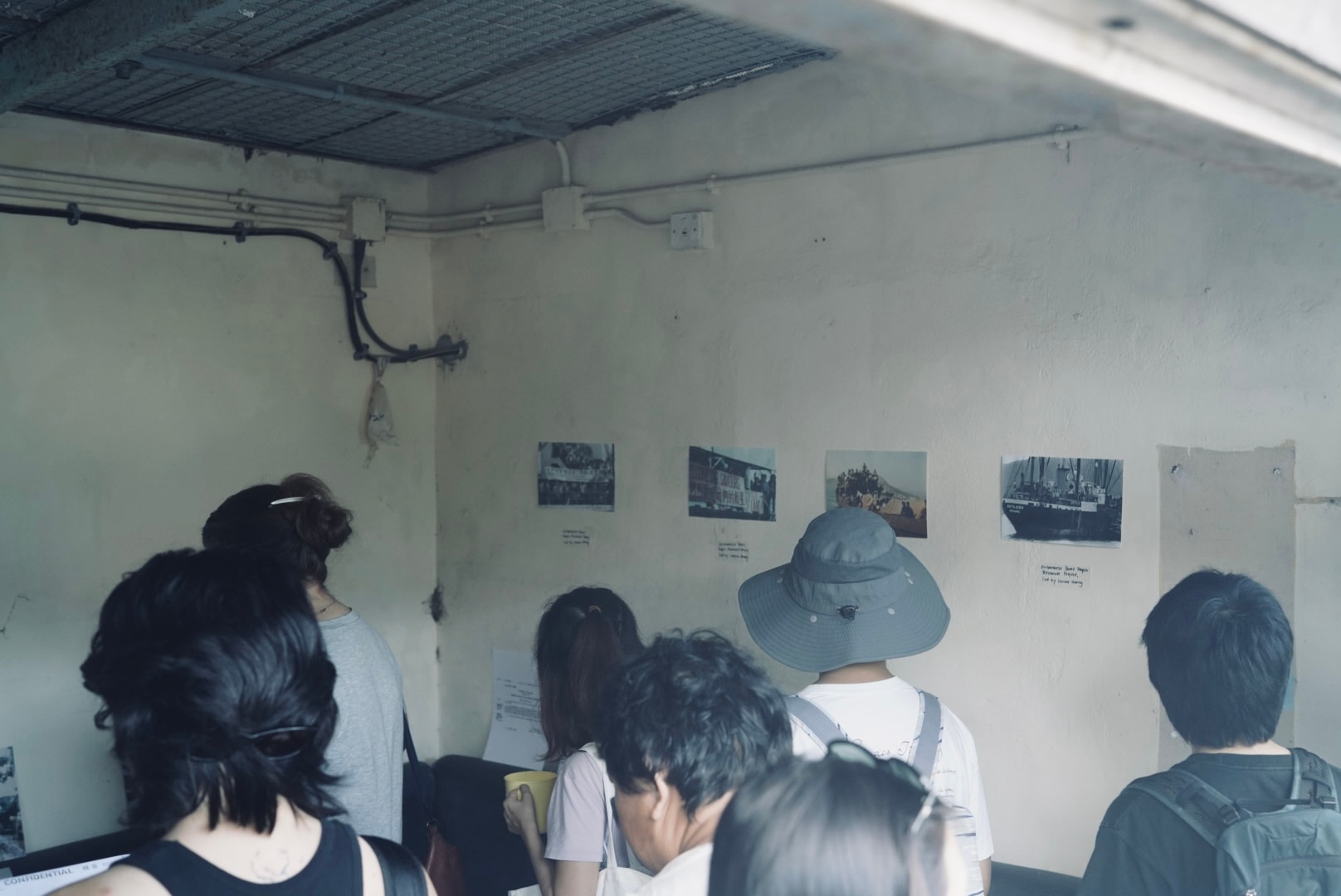
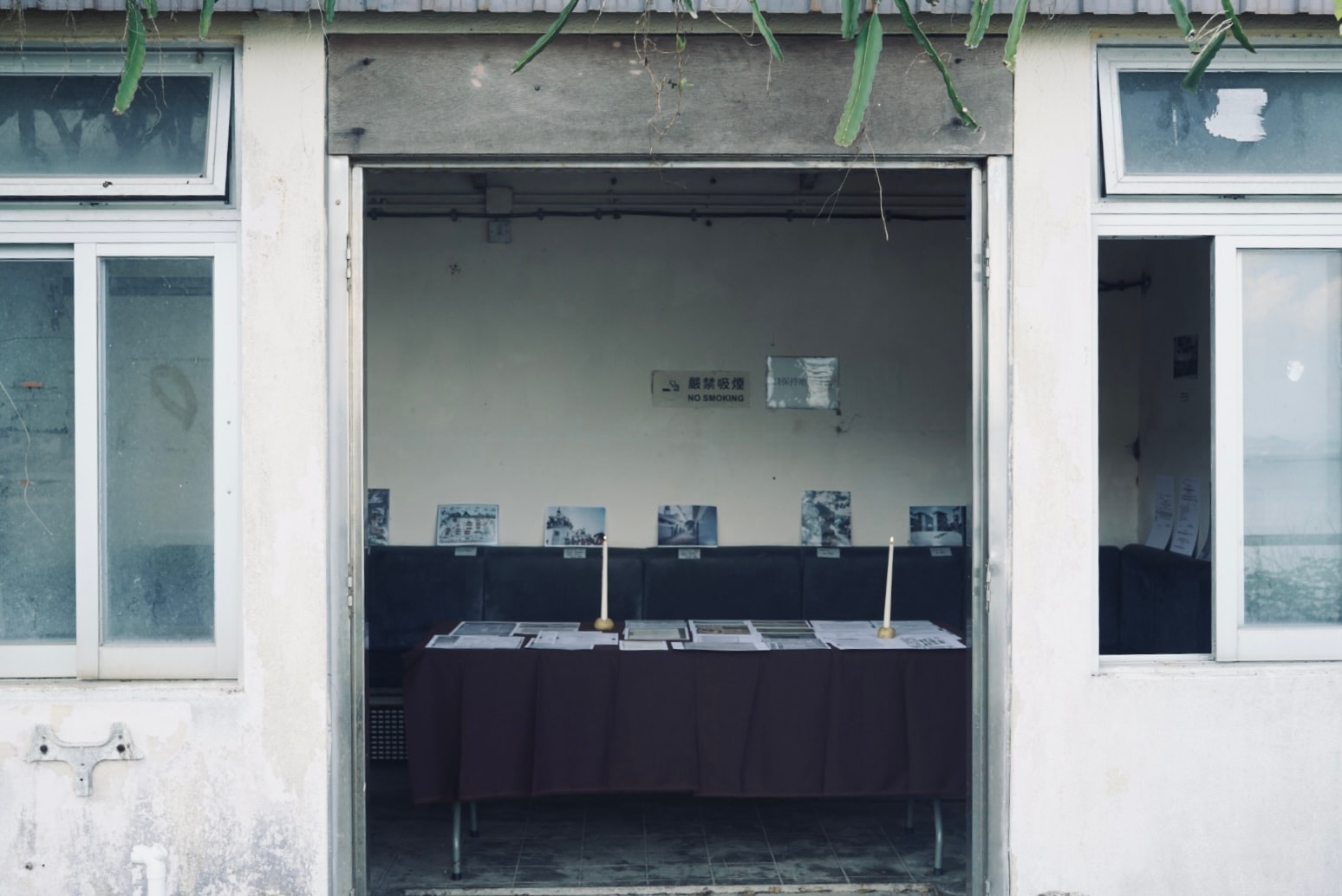
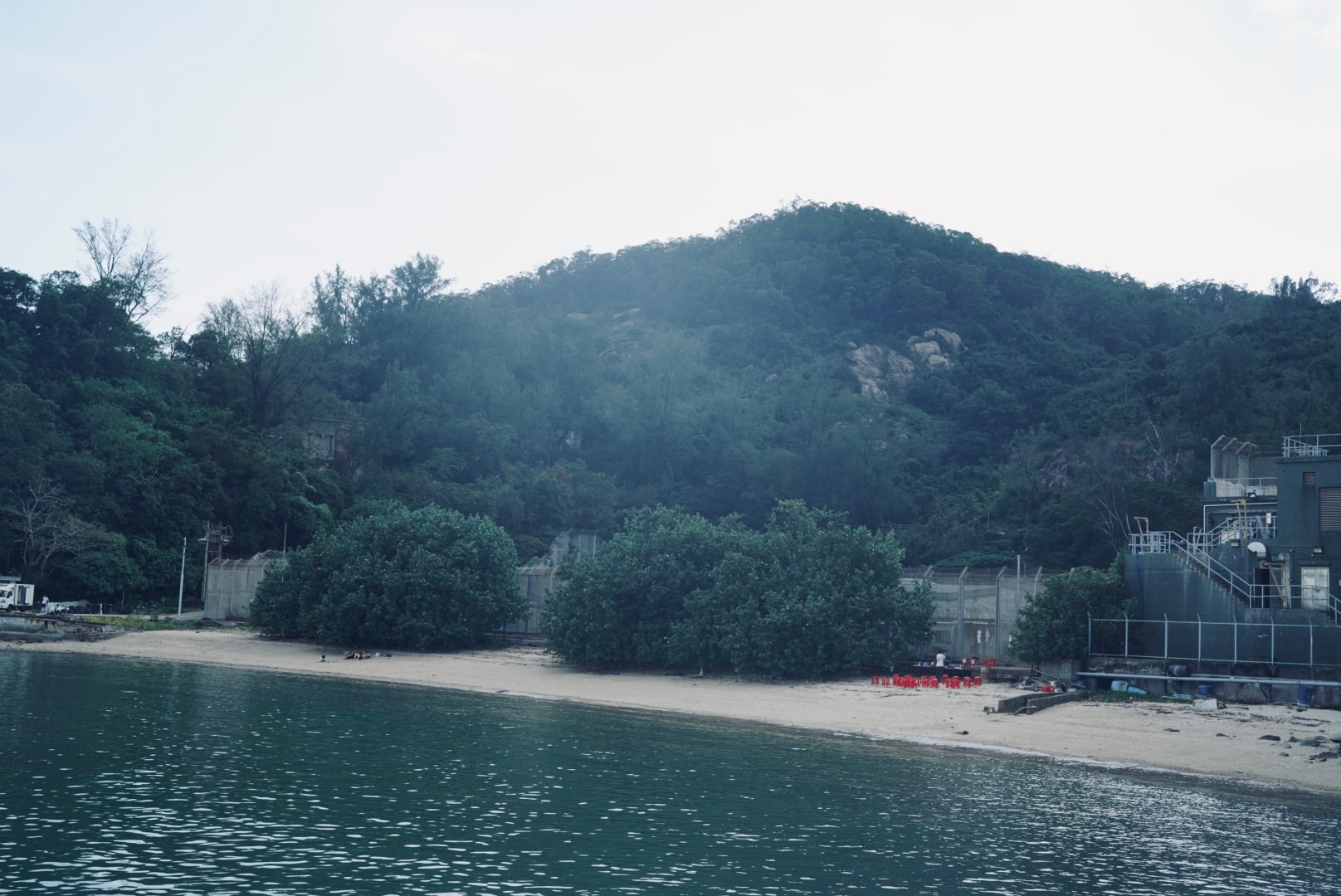
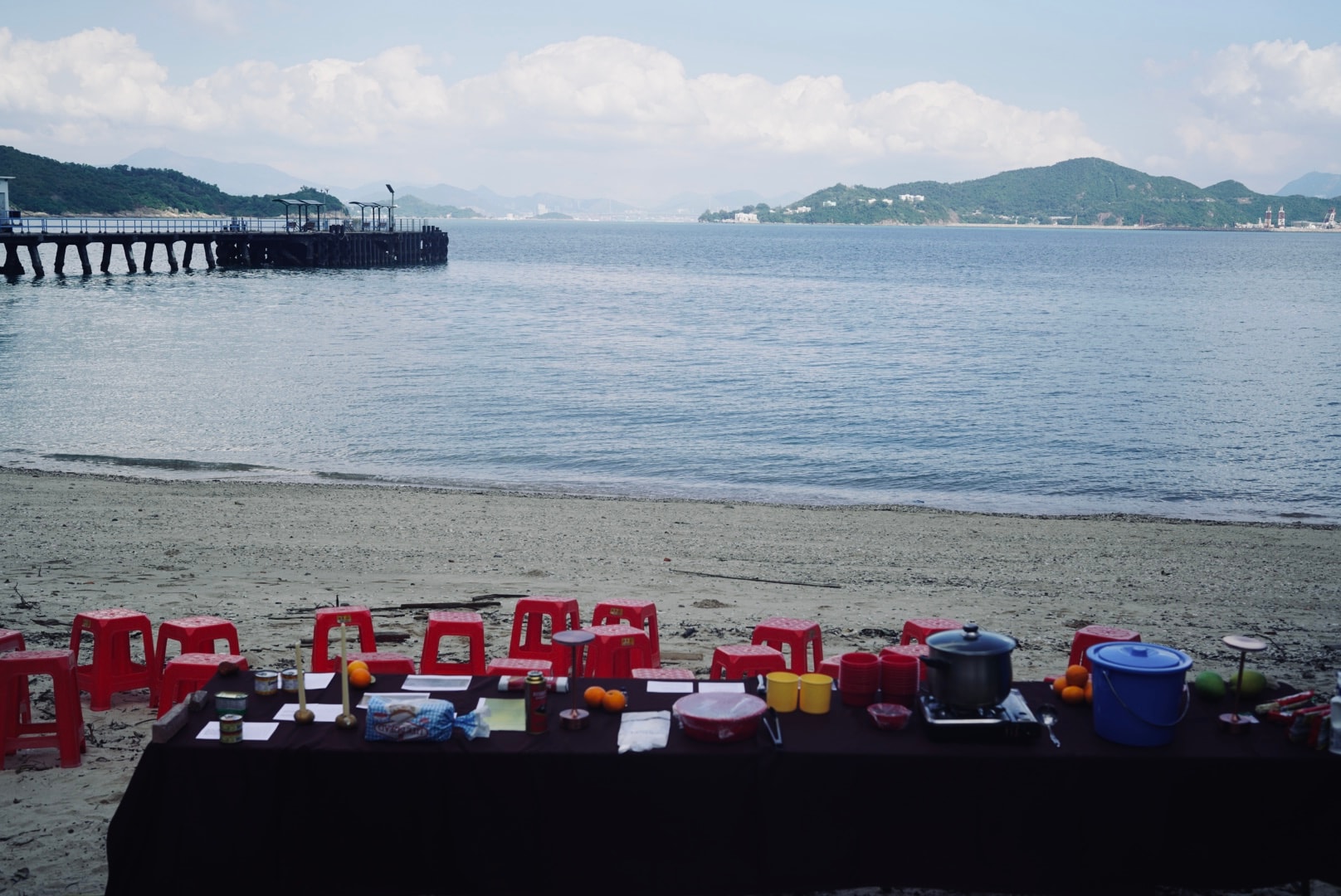
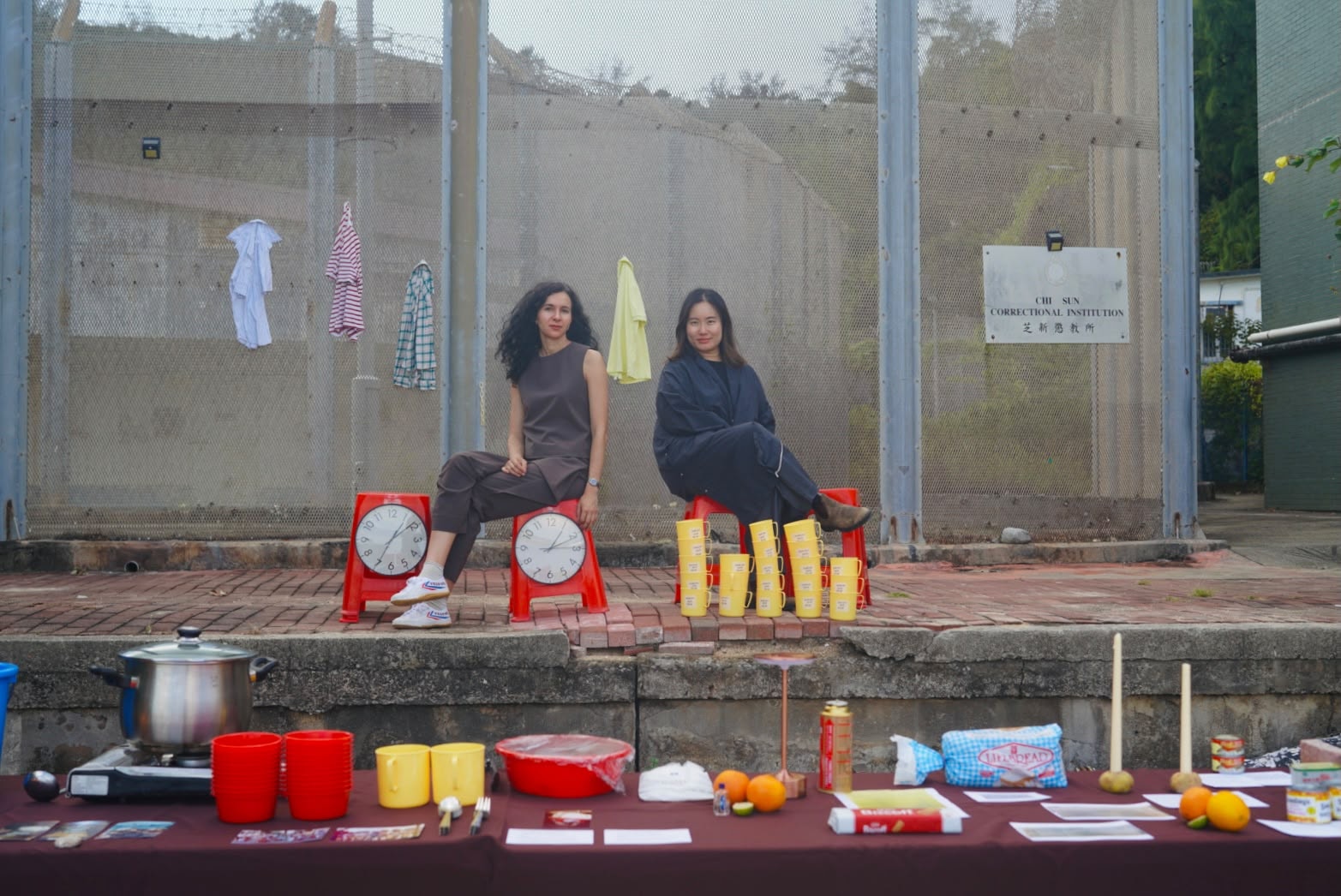
When a city is starting to forget its history, how can official archives and embodied practices like cooking bring new life to the narrative of a historically charged place? Between 1975 and 2000, more than 200,000 Vietnamese boat people crossed the sea and arrived in Hong Kong. With the 1997 handover from British rule nearing, Hong Kongers were anxious and compassion fatigue crept in. As a reaction, a closed camp policy was introduced in the 1980s and refugee status was only granted if political persecution could be proven. Consequently, many Vietnamese boat people were in limbo, waiting for their cases to be processed. In camps like the one in Chi Ma Wan, refugees were kept behind barbed wire and their agency was extremely limited: They could not go out to work or cook their own food. In a city famously described as a “borrowed place on borrowed time,” those inside the fences lived in what felt like a suspended, parallel space-time dimension. To survive there, you had to “swallow your pride,” said the author Andrew Lam. A Banquet in Parallel Time is a site-specific culinary lecture performance and installation of archival documents. Moving from the actual pier of arrival through a former waiting room, along the lower and upper camps, participants were invited to tactilely engage with and taste food items that were distributed in the camps. Crucially, people in the camps were resourceful and able to create foods that were closer to home even in the direst circumstances. A sour fish soup made with leftover foods, bartered ingredients and foraged herbs was one such recipe participants were able to try. As the banquet, which laid out edible and non-edible artefacts, unfolded, the sounds of the camp filled the environment. Warnings of the 1988 “Bắt đầu từ nay” policy, meal announcements, and melancholic songs such as Tuấn Vũ’s “Đời tôi cô đơn” or Teresa Teng’s “The Moon Represents My Heart” that used to be played by the camp authorities for 12 hours a day transported participants into the atmosphere of the time. One tour was particularly memorable. Joined by a grandmother who once lived inside the Chi Ma Wan camp, her daughter who was born in another of Hong Kong’s camps, and her six-year-old grandson, the tour gained a joy that comes from knowing what it means to survive. The young boy began by asking his mother: “What is history?” Later, when he had grasped the context, he exclaimed: “I hope we will meet survivors from the camp today,” only to realize by the end that his own grandmother is a former boat person and that this, by extension, is also his family’s history. Production Assistance by Ah Yu, Duey Tam and Katie Li
Photo courtesy of Duey Tam, Simon Wong and Iris Sham